



Teaching Jobs Abroad: TEFL certification jobs abroad that actually hire
Maybe you’ve already searched “teaching jobs abroad” or “tefl jobs abroad” and closed the tab feeling overwhelmed. The good news: if you hold (or plan to get) a TEFL/TESOL certificate, there are real teach English abroad jobs you can compete for — language centres, public school programmes, international schools and corporate training. This page breaks down tefl certification jobs abroad, contract types, salary ranges and a practical path from certificate to signed offer.
Why Teach English Abroad? The Top 4 Benefits
A TEFL/TESOL certificate doesn’t just give you a piece of paper; it opens doors in dozens of countries that actively recruit English teachers every year. Instead of squeezing travel into two weeks of holiday, you can live in South Korea, Spain, Thailand or Mexico for a full school year, earning a local salary and building a teaching portfolio at the same time. Below are four concrete benefits I see again and again when teachers trade “maybe someday” for a real contract abroad.
Real contracts, not just postcards
Behind each glossy “teach English abroad” poster there’s a real contract: contact hours, prep time, housing, flights, insurance and visa support. Well-structured tefl jobs abroad include clear timetables, paid holidays and realistic expectations about class sizes and levels — not just a picture of a beach.
Career-level income & benefits
In many destinations, especially in Asia and the Middle East, teaching jobs abroad pay enough to cover rent, daily expenses and still put money aside each month. Packages often include housing, flight reimbursement, health insurance and paid holidays, so a “mid-range” salary can feel very comfortable once you factor in the full package.
Experience that upgrades your CV
A year in the classroom abroad teaches you more than any workshop: lesson planning under pressure, managing groups of twenty restless teens, collaborating with local colleagues and adapting to a new culture. Those skills make your CV stand out whether you stay in TEFL, move into online teaching or pivot into a different field later.
Support, safety & clear expectations
For tefl certification jobs abroad, details matter: minimum hours, overtime, housing quality, health insurance, local taxes and end-of-contract bonuses. With guidance on red flags and contract checks, you can say yes only to offers that make sense for your finances and wellbeing, instead of guessing from a two-line advert.
Your 4-Step Guide to Teaching English Abroad
From the outside, landing a teaching job abroad can look mysterious, but in reality most successful teachers follow the same pattern. You choose a region, complete a reputable TEFL/TESOL course, build a simple portfolio and then apply in focused waves instead of firing off random CVs at 2 a.m. Use this four-step roadmap as a checklist from “I’m just browsing” to a signed contract and a boarding pass.
Get certified & choose your region
Decide where you’d like to live for at least one school year (Asia, Europe, Middle East, Latin America) and complete a 120–180-hour TEFL/TESOL course. Check that your target countries accept your qualification for visas and that typical tefl certificate teaching jobs abroad match your expectations.
Build a simple but strong portfolio
Prepare a one-page CV, a clear photo, references and a short demo lesson plan. Build a “wishlist” of schools and programmes in 2–3 countries, focusing on reputable, long-running TEFL certification jobs abroad with transparent conditions.
Apply, interview & refine
Apply in focused waves: 5–10 tailored applications at a time. Expect an interview, sometimes a recorded demo and questions about classroom management, culture shock and your reasons for moving. Treat every conversation as free market research about teaching jobs abroad salary, workloads and benefits.
Say yes, handle visas & relocate
Once you get an offer, slow down and read everything: hours, overtime, holiday, apartment details, taxes and early-exit clauses. Ask for clarifications in writing, then start the visa process and prep for relocation: documents, vaccinations, budgeting and a basic language starter pack.
Explore Teaching Opportunities by Country
Not all teaching jobs abroad are created equal. South Korea and Japan are known for stable salaries and organised public-school programmes; Thailand and Vietnam trade slightly lower pay for sunshine and a lower cost of living; Spain and Italy attract teachers who want a European lifestyle even on a modest income. The interactive table below gives you a reality-check view of typical monthly salaries, hours and basic requirements in popular destinations so you can shortlist countries that match both your budget and your comfort zone.
| Country | Avg. salary / month | Typical hours | Requirements | Details |
|---|---|---|---|---|
| South Korea | $1,800–2,500 | 30–40 hrs/week | Bachelor’s degree 120h TEFL Clean background check | Structured public-school and private academy roles with housing and flight reimbursement. |
| Japan | $2,000–2,800 | 30–40 hrs/week | Bachelor’s degree TEFL/TESOL | ALT programmes and conversation schools in cities and smaller towns. |
| Thailand | $1,000–1,500 | 25–35 hrs/week | Bachelor’s degree TEFL | Lower salaries but low cost of living and relaxed lifestyle outside big cities. |
| Vietnam | $1,200–2,000 | 20–30 hrs/week | Bachelor’s degree 120h TEFL | High demand in big cities, strong mix of kids’, teens’ and adults’ classes. |
| Spain | €1,200–1,800 | 20–30 hrs/week | TEFL/TESOL EU passport or work visa | Language academies and assistant programmes with long school holidays. |
| Italy | €1,000–1,600 | 20–30 hrs/week | TEFL/TESOL EU visa | Mix of private schools and in-company classes in medium and large cities. |
| United Arab Emirates | $2,500–4,000 | 35–45 hrs/week | Bachelor’s degree TEFL/TESOL Experience preferred | Often tax-free packages with housing, flights and health insurance. |
| Mexico | $800–1,200 | 25–35 hrs/week | TEFL course Degree preferred | Great for first-time teachers who value lifestyle and Spanish more than savings. |
| Colombia | $700–1,200 | 25–35 hrs/week | TEFL course | Growing demand in cities, with options from institutes to bilingual schools. |
Top 5 Places for TEFL/TESOL This Year
Every year a few destinations stand out for TEFL/TESOL teachers because of a sweet spot between pay, lifestyle and visa options. Here are five places that keep coming up in my inbox when graduates write to say, “I’m so glad I chose this country.”
South Korea
South Korea combines reliable salaries with serious benefits: many schools offer furnished housing, reimbursed flights, national health insurance and end-of-contract bonuses. Day-to-day life swings between neon-lit cities, quiet temples and late-night study cafés, and you’ll never run out of weekend trips thanks to fast trains and buses. Most roles are with public-school programmes or private academies, making it easy to find a structured first teaching job abroad with clear expectations and support.


Thailand
If you imagine lesson planning between beach walks and street-food runs, Thailand comes close to that picture — with some classroom reality mixed in. Salaries are lower than in Korea or Japan, but so are living costs, especially outside Bangkok. Many teachers use Thailand as a gentle introduction to TEFL certification jobs abroad, gaining confidence in front of a class while enjoying a slower pace of life, warm weather and a famously welcoming culture.
Vietnam
Vietnam has exploded in popularity over the last decade thanks to high demand for English, competitive pay and a low cost of living. Hanoi and Ho Chi Minh City are packed with language centres serving kids, teens and adults, while smaller cities offer a more relaxed lifestyle. Many teachers report being able to save a meaningful amount each month while still eating out, travelling and exploring the country’s mountains and coastline.


Colombia
For teachers drawn to Latin America, Colombia offers a mix of buzzing cities, coffee-growing regions and friendly, talkative students who actually want to practise. Pay is modest but usually in line with local costs, and there is a growing mix of private institutes, bilingual schools and government programmes. It’s a strong choice if your goals include improving your Spanish and experiencing a vibrant, musical culture up close.
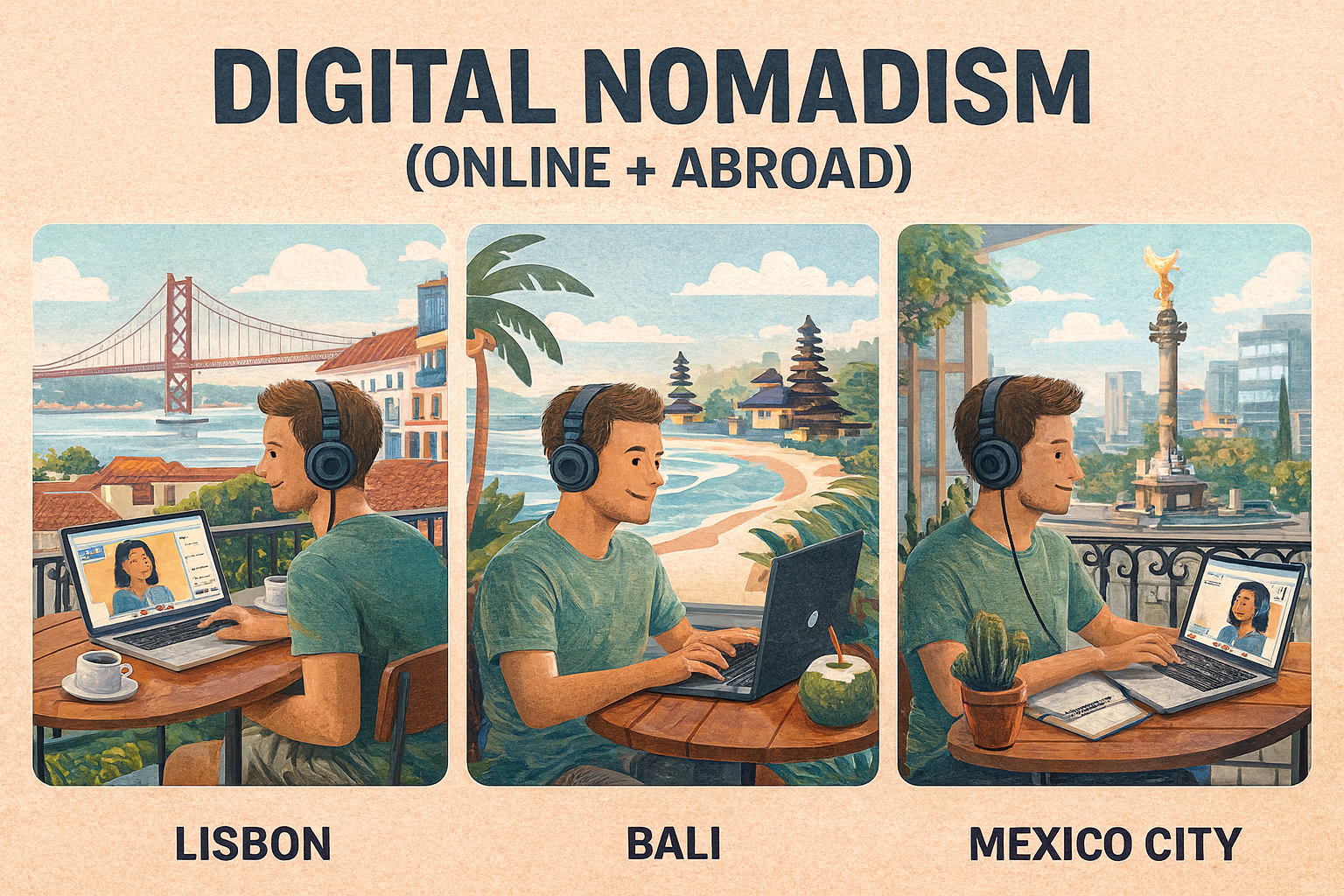
Digital Nomadism (Online + Abroad)
More and more teachers blend tefl online jobs with on-the-ground roles. You might teach a few hours online in the mornings, then head to your language school in the afternoon, or take a fully remote schedule to a “digital nomad” hub like Lisbon, Bali or Mexico City. This hybrid approach gives you flexibility, a safety net between contracts and extra income without being tied to one employer or city.
Ready to get your TEFL/TESOL certificate and a real teaching job abroad?
You don’t need to have everything figured out. You do need a recognised TEFL/TESOL course, a clear region in mind and a simple plan for applications, interviews and contracts.
Start with one decision: choose your TEFL/TESOL course, get step-by-step support and then use your certificate to access tefl certification jobs abroad that actually match your goals.